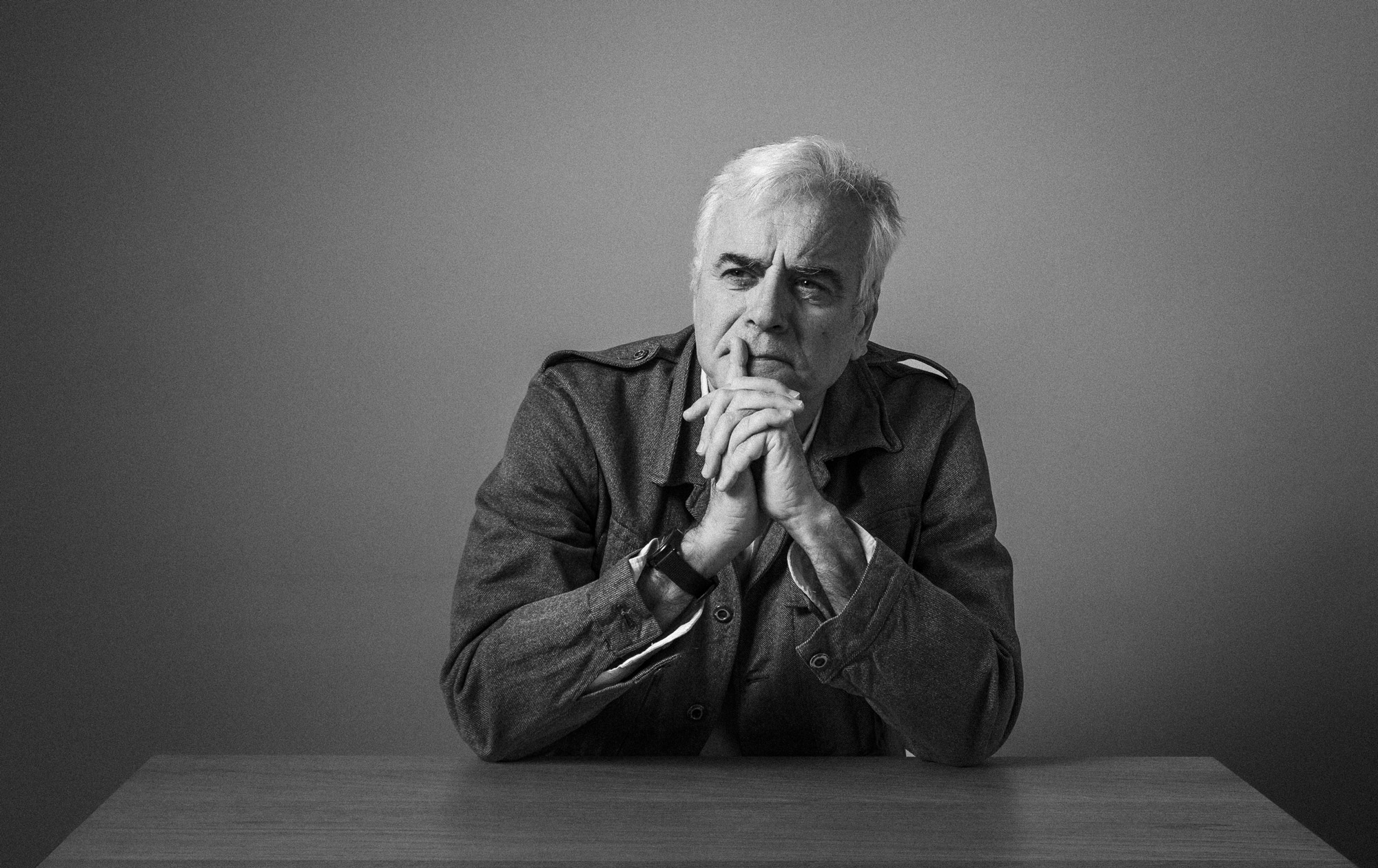
I write two types of books: feature stories that are largely travelogues and essays. But on one occasion I ventured into writing a biography, and on another I compiled the poetic prose descriptions of photos with which I end my radio programs.
Bibliography
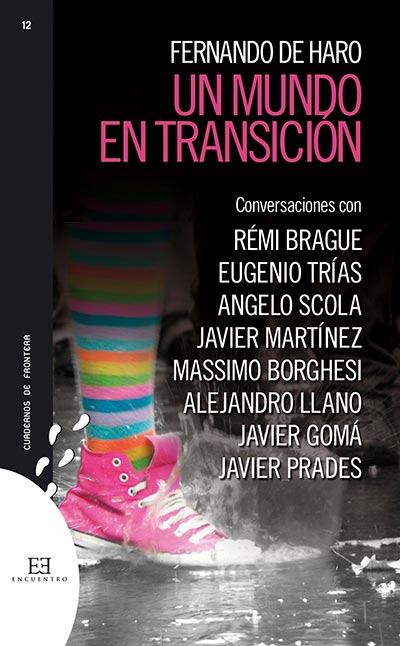
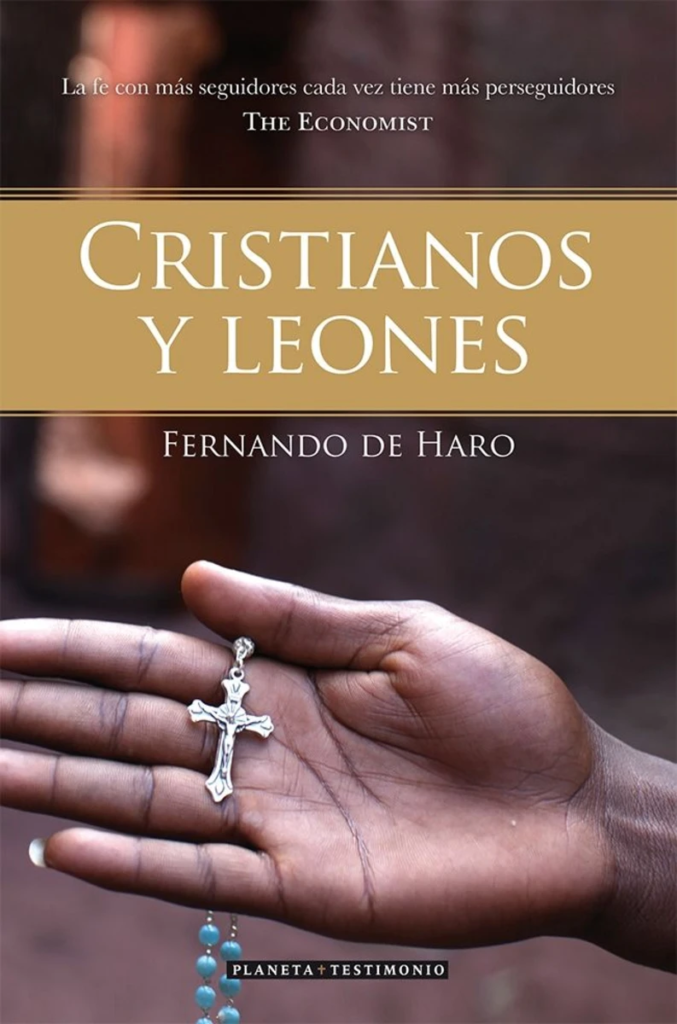
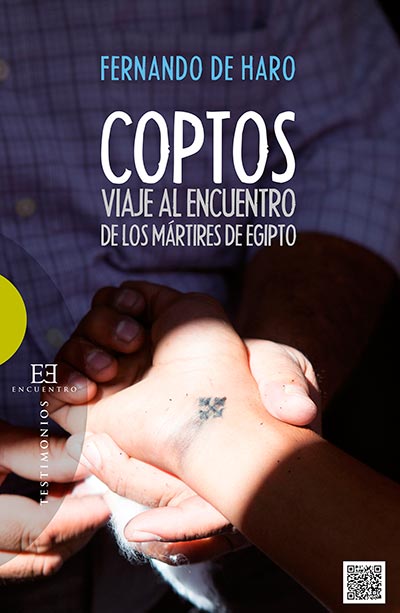
Interviews and other writings...A World in Transition | Ediciones Encuentro, 2011
This book is a collection of interviews I did with a group of men of thought and action. I posed them the big questions that, in my view, we face in this 21st century. It is not a book for philosophers or theorists, but rather for those who wonder where their lives are headed, where our lives together are headed. I titled it Un mundo en transición because the old world has died and the new one has not yet been born. History, far from what some predicted after the fall of the Berlin Wall, has not ended. The attack on the Twin Towers made that clear to us in 2001. We live in an increasingly multicultural society. The crisis that erupted in 2008 severely questioned the foundations of what we thought was most secure, and we realized that the economy was incapable of providing us with answers.
Christians and Lions | Planeta, 2013
“The world’s most popular faith is increasingly persecuted.” That was a sentence I read in The Economist at the time. I realized that this persecution was largely unknown in Spain. There were no works on the subject like those that had been done in other countries. So I set to work to offer readers an overview of the lack of religious freedom.
Copts | Ediciones Encuentro, 2015
This is a book-report that recounts what I experienced and saw on a trip to Egypt. I wrote down a lot of material I had gathered for my documentary Walking Next to the Wall. I spoke with many Copts (the country’s Christians): with abunas (priests) and monks, with successful businesspeople, and also with the zabbaleen, who are responsible for collecting and sorting the garbage generated by the megalopolis of Cairo. One generous critic said it was “an essential chronicle.”
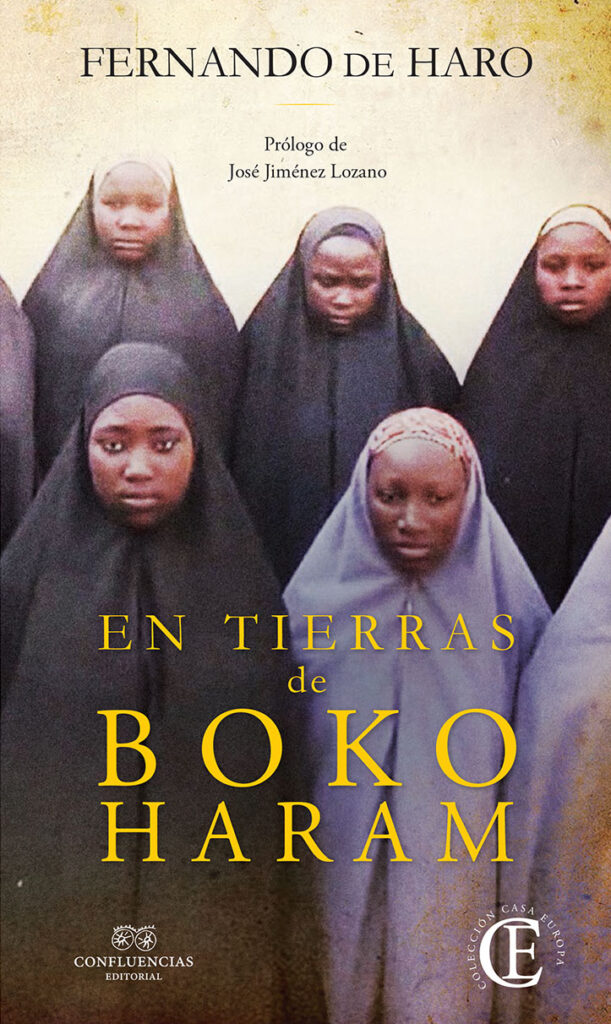
In the Land of Boko Haram | Editorial Confluencias, 2016
This is also a book-report, in this case written in Nigeria. One critic wrote that it is “a powerful report that immerses us in the life of a Nigerian village besieged by one of the most feared terrorist groups in the world. Through an intense and moving narrative, Fernando De Haro takes us to the heart of the conflict, providing an authentic view of the daily struggle of its inhabitants. It is a profound analysis of the consequences of Boko Haram’s actions in Nigeria and its neighboring countries, an invitation to reflect on the impact of extremism and the importance of education in the fight against ignorance”.
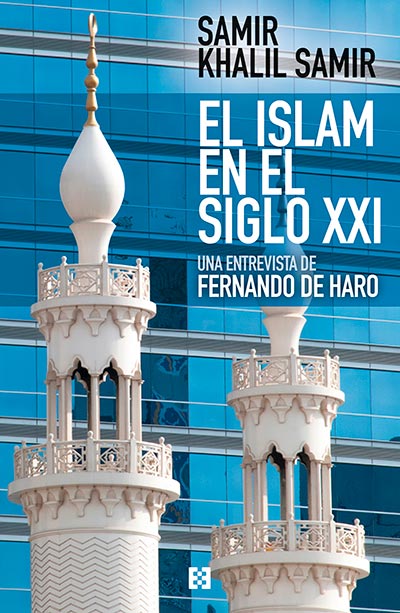
Islam in the 21st Century | Ediciones Encuentro, 2017
My editor wanted to publish an informative book on Islam and asked me to interview Samir Khalil Samir, a world-renowned Islamologist. The result of many hours of conversation is contained in these pages, where it becomes clear that Islam is a much more complex reality than we Spaniards and Europeans usually perceive.
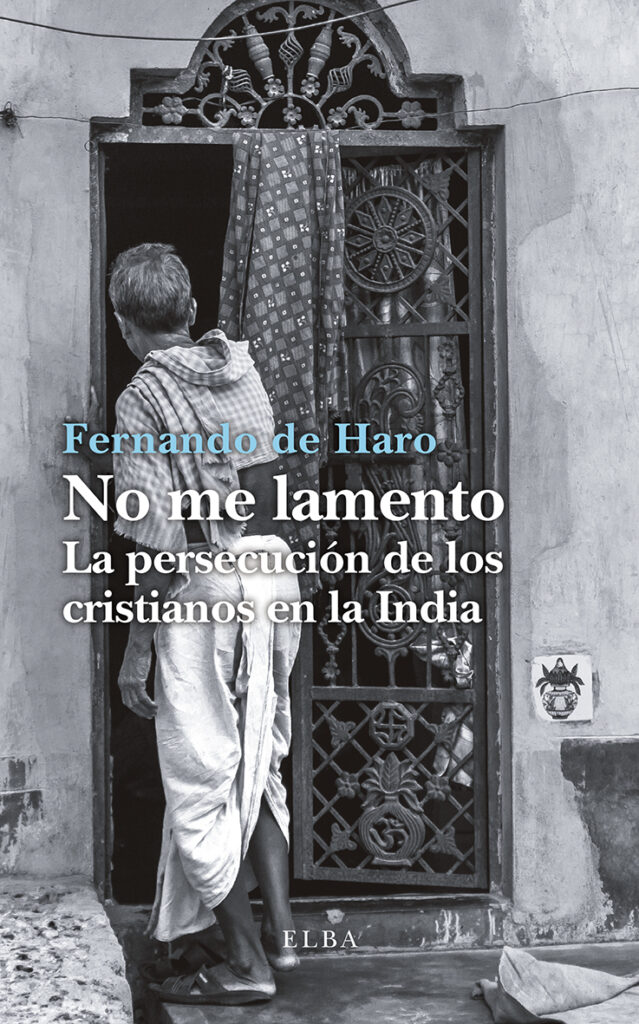
I Have No Regrets | Editorial Elba, 2018
A book-report based on material from a trip in which I discovered a very different India from the one we think we know: the India of castes, violent Hinduism, and the religious genocide of Christians and Muslims. I wanted to understand and explain the reasons for this growing violence in India and its coincidence in time with the rise to power of Hindu nationalism.
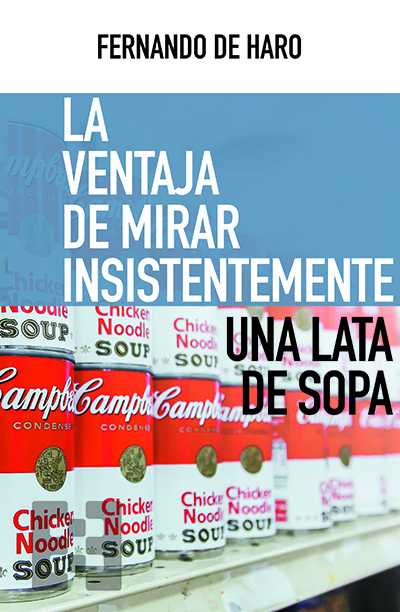
The Advantage of Staring Intently at a Can of Soup | Ediciones Encuentro, 2020
Shortly before the pandemic, I returned to the topic I had addressed in Un mundo en transición, but now through the medium of the essay. “Starting -explained one critic – from the contemplation of the work of the famous New York artist Warhol in a recent exhibition, journalist Fernando de Haro suggests to the reader an approach to the world in which we live, of which we understand almost nothing, and in which the old laws and automatisms that served to explain almost everything are disappearing. De Haro addresses issues that have accompanied him throughout his professional career, such as recent economic crises, democracy, and culture, always in the tone of someone who recognizes his humility in the face of knowledge, allowing the reader’s curiosity to be sparked by the need to look to understand.
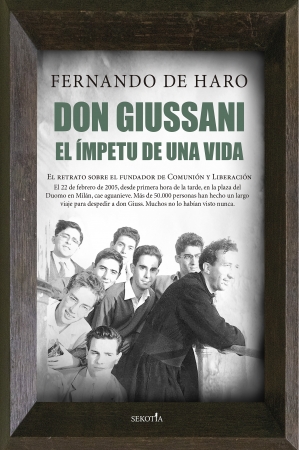
Don Giussani. The Impetus of a Life | Sekotia, 2023
This is undoubtedly my most beloved book, the book to which I have devoted the most time, the book with which I have suffered the most and which has given me the most satisfaction. Luigi Giussani is one of the great figures of the 20th century. A group of friends asked me to write a lively and informative biography on the centenary of his birth. I then immersed myself in an ocean from which I have not yet emerged. There is an Italian edition.
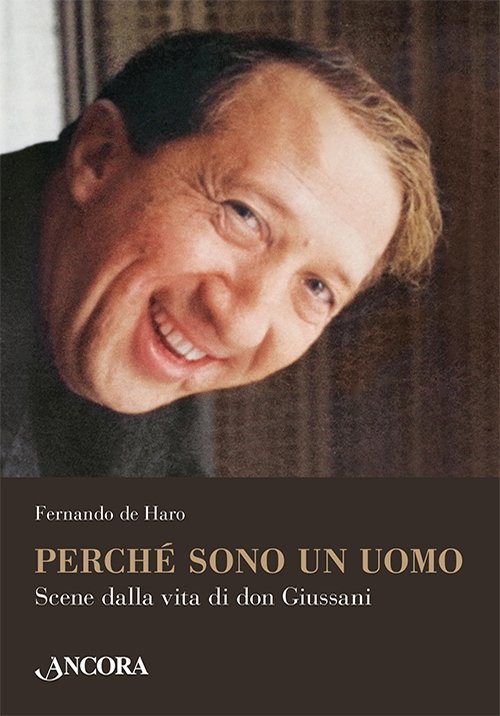
Perché sono un uomo | Ancora, 2023
It is the Italian translation of El ímpetu de una vida. I was deeply proud that many people in Italy who had known Luigi Giussani told me that, through its pages, they had relived the experience they had shared with him.
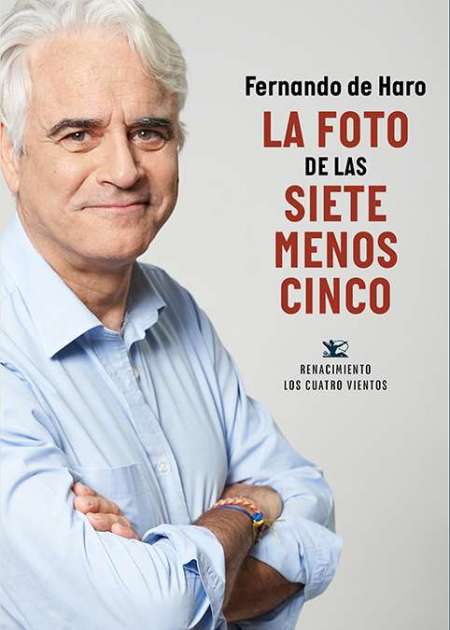
The photo at five minutes to seven | Renacimiento, 2024
One early morning, in the early days of “Las Mañanas del Fin de Semana de Cope,” I had an idea for ending the program: to say goodbye with a “sound photo.” It all started almost as a game, without much thought. I began to describe an image that had caught my attention. The experiment took hold. The photos depict, with words, wounds and hallelujahs, devastation, brilliance, hope. They are only sketches. I resisted collecting and editing them for a long time, but my mother insisted so much that I couldn’t resist.
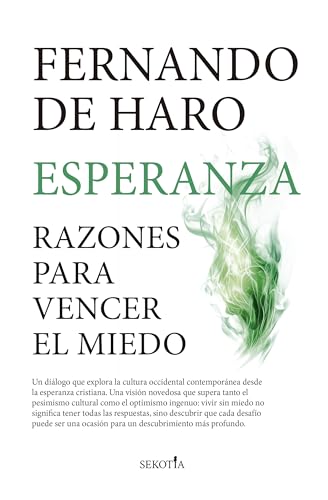
Hope: Reasons to Overcome Fear | Sekotia, 2025
A commission from my new editor: Manuel Pimentel. After the pandemic, everything had changed again. And we had to try to understand. This time, I didn’t produce an interview or an essay, but rather a kind of Renaissance-style colloquium with characters who exchange ideas and experiences without forming a novel.
I have published many interviews, reports, and a few prologues over the last 30 years. But there are several that I am particularly proud of:
[01]
Prologue to the book “Inhabiting Our Time: Living Without Fear in an Age of Uncertainty”, Sekotia, 2025It was an honor to be invited to write the prologue to this small volume by Charles Taylor, Rowan Williams, and Julián Carrón.